
Home improvements are often viewed as a way to update a property’s appearance, increase comfort, or create more functional living spaces. However, some of the most valuable projects address problems before they become expensive repairs. A small leak, deteriorating exterior paint, poor ventilation, or an aging garage door might seem manageable at first, but delaying the necessary work can lead to more extensive damage and higher costs.
Proactive home improvement planning allows homeowners to identify potential concerns, prioritize repairs, and make informed decisions about their properties. Rather than waiting for something to fail, homeowners can evaluate their home’s condition, establish a realistic budget, and schedule projects that protect its long-term value.
In this article, we will explore how to recognize early warning signs, prioritize maintenance projects, improve essential home systems, and plan upgrades that help prevent minor issues from becoming major problems.

Recognizing Problems Before They Become Expensive
The first step in proactive home improvement is understanding how a house changes over time. Materials deteriorate, mechanical systems wear out, and weather conditions gradually affect exterior surfaces. Regular inspections help homeowners recognize these changes before they cause significant damage.
Watching for Early Warning Signs
Many household problems develop gradually. Small cracks in walls, peeling paint, musty odors, slow drains, and unexplained increases in utility bills can indicate that something needs attention. Although these signs do not always point to a serious issue, they deserve investigation when they persist or worsen.
Water damage is particularly important to identify early. Discoloration on ceilings, bubbling paint, damp flooring, and soft areas around windows may indicate leaks or moisture intrusion. Addressing the underlying source is more effective than simply covering the affected surface.
Homeowners should also pay attention to changes in how household equipment operates. Unusual noises, inconsistent temperatures, reduced water pressure, and frequently tripped breakers can indicate developing maintenance concerns. A qualified professional can help determine whether a repair, adjustment, or replacement is appropriate.
Keeping a record of these observations makes it easier to track recurring issues. Photographs, maintenance notes, and inspection dates can help homeowners determine whether a problem is getting worse and provide useful information when requesting professional assessments.
In bedrooms where bed bug prevention is a concern, an anti bed bug bed cover can help encase a mattress and reduce potential hiding places when used as part of an appropriate prevention strategy.
Establishing a Regular Inspection Routine
A consistent inspection schedule makes home maintenance more manageable. Homeowners can review visible areas of the property every few months and conduct more detailed assessments seasonally.
During these inspections, examine the roof from a safe vantage point, inspect window and door seals, check accessible plumbing fixtures, and look for signs of pest activity. Review the condition of exterior siding, walkways, fences, and drainage areas as well.
Some components require more specialized attention. Electrical systems, structural concerns, roof damage, and complicated plumbing problems should be evaluated by qualified professionals when necessary. Homeowners should avoid attempting inspections or repairs that involve unsafe heights, energized equipment, or potentially hazardous materials.
The objective is to establish a clear picture of the property’s condition. With this information, homeowners can plan improvements based on actual needs rather than waiting until an emergency determines the timing.
Prioritizing Home Improvements by Urgency
Once potential problems have been identified, the next step is deciding which projects should come first. A long list of repairs can feel overwhelming, especially when several areas of the house need attention. Prioritizing improvements according to their potential consequences helps homeowners use their time and money more effectively.
Addressing Safety and Structural Concerns First
Projects involving immediate safety hazards or structural damage should generally take priority over cosmetic updates. Exposed wiring, significant foundation movement, active roof leaks, and damaged stairs may create risks that worsen if left unaddressed.
Water intrusion deserves particular attention because moisture can affect multiple parts of a property. A leak that initially damages one section of drywall may eventually affect insulation, framing, flooring, or nearby electrical components.
Homeowners should also investigate drainage problems that allow water to collect near the foundation. Correcting grading issues, maintaining gutters, and directing downspouts away from vulnerable areas can help reduce the risk of water entering the home.
When an issue threatens personal safety or is causing active damage, contact the appropriate professional promptly. Cosmetic improvements can usually wait until the underlying problem has been resolved.
Separating Essential Repairs From Optional Upgrades
Not every home improvement has the same level of urgency. Creating categories can help homeowners distinguish between projects that protect the property and those that primarily improve its appearance or convenience.
Essential repairs address active damage, safety concerns, or failing systems. Preventive improvements reduce the likelihood of future problems, while optional upgrades enhance aesthetics, comfort, or functionality.
For example, repairing a leaking window should generally take precedence over replacing decorative curtains. Similarly, addressing a drainage problem is more urgent than installing a new patio feature.
This approach does not mean cosmetic improvements are unimportant. Instead, it establishes a logical sequence so that money spent on attractive upgrades is less likely to be undermined by unresolved maintenance issues.
Protecting the Home From Water and Moisture Damage
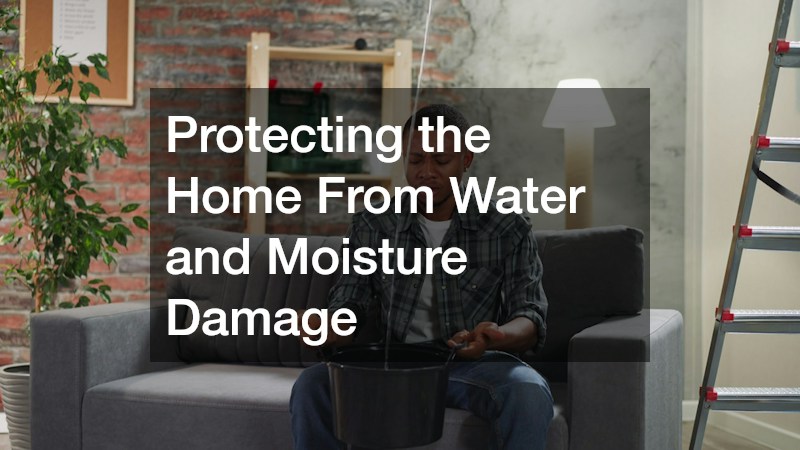
Water can affect a home’s structure, indoor environment, and mechanical systems. Because moisture problems are not always immediately visible, homeowners benefit from paying close attention to plumbing, drainage, ventilation, and water quality.
Maintaining Plumbing and Drainage Systems
Household drains and pipes handle daily use, but accumulated debris, corrosion, shifting soil, and aging materials can eventually affect performance. Warning signs may include recurring clogs, slow drainage, unpleasant odors, and unexplained wet areas around plumbing fixtures.
A single slow drain might be caused by a simple obstruction, while repeated problems throughout the home could indicate a larger issue. Persistent symptoms deserve a professional assessment rather than repeated attempts to clear the same blockage.
For certain damaged sewer or drain pipes, a drain pipe lining service may offer a rehabilitation option. This process typically involves installing a liner inside an existing pipe to create a new interior surface, potentially reducing the need for extensive excavation. Suitability depends on the pipe’s condition, configuration, and the nature of the damage.
Homeowners should also inspect accessible plumbing connections beneath sinks, around toilets, and near water-using appliances. Replacing worn connections and repairing small leaks promptly can help prevent damage to cabinets, floors, and surrounding materials.
Improving Water Quality and Managing Moisture
Water quality is another consideration when planning home improvements. Depending on the local water supply and household concerns, homeowners may benefit from evaluating water filtration systems that address specific contaminants or unwanted substances.
Before choosing a system, determine what needs to be treated. Municipal water reports, appropriate water testing, and professional guidance can help identify relevant concerns. Different filtration technologies target different substances, so selecting equipment based on verified needs is more effective than choosing a product based on general claims.
Moisture management also requires attention to bathrooms, kitchens, laundry areas, and basements. Exhaust fans should function properly, plumbing leaks should be repaired, and damp spaces should be investigated to identify the source of excess moisture.
If mold or persistent dampness is present, addressing the underlying moisture source is essential. Cleaning or repainting affected surfaces without resolving the cause may allow the problem to return.
Homeowners can also use custom window treatment services to select window coverings that complement their interior design preferences while addressing privacy, light control, and room comfort.
Maintaining Heating, Cooling, and Ventilation Systems
Heating and cooling systems influence indoor comfort, energy consumption, and air circulation. When these systems become less efficient or unreliable, homeowners may notice uneven temperatures, unusual sounds, weak airflow, or rising utility costs.
Scheduling Preventive HVAC Maintenance
Regular maintenance can help heating and cooling equipment operate as intended. Homeowners should replace or clean filters according to manufacturer recommendations, keep outdoor units clear of debris, and make sure supply and return vents are not blocked.
Professional maintenance can identify worn components, airflow restrictions, drainage problems, and other concerns that may contribute to equipment breakdowns. Scheduling service before periods of heavy seasonal use can also provide time to address problems before the system is needed most.
When repairs or upgrades are necessary, HVAC contractors can assess the equipment, review household comfort concerns, and recommend appropriate solutions. Replacing an aging system may be worth considering when repairs become frequent or the equipment no longer meets the home’s needs.
However, replacement is not always the best first step. A dirty filter, incorrect thermostat setting, blocked vent, or maintenance issue may explain some performance problems. A professional evaluation can help determine the most practical course of action.
Addressing Ventilation and Indoor Comfort
Ventilation problems can contribute to lingering odors, condensation, and uncomfortable indoor conditions. Bathrooms and kitchens are especially important because they generate moisture during everyday activities.
Homeowners should confirm that exhaust fans work correctly and discharge air to an appropriate location. Ventilation equipment should be maintained according to manufacturer instructions, and persistent condensation should be investigated.
Window performance can also affect comfort. Drafts, deteriorated weatherstripping, and damaged seals may allow outside air to enter and conditioned air to escape.
Replacing worn seals or improving window performance can help reduce drafts and support more consistent indoor temperatures. Addressing these smaller concerns may also help heating and cooling equipment operate under less strain.
Preventing Damage to Exterior Surfaces and Entry Points
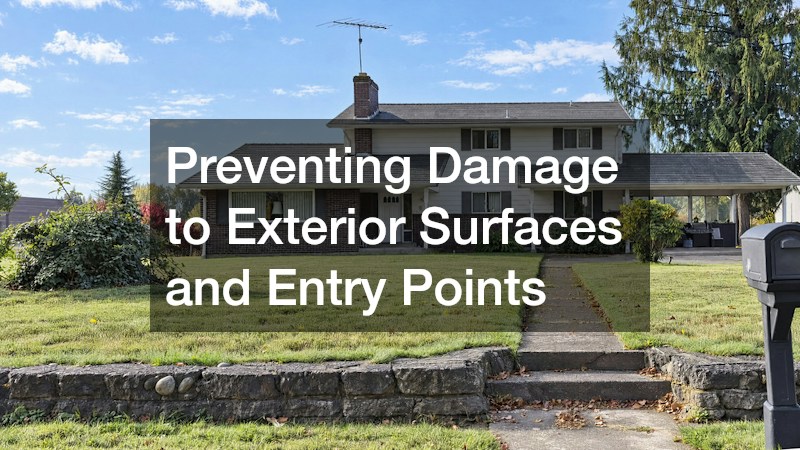
The outside of a home acts as a protective barrier against weather, pests, and moisture. Regularly maintaining exterior surfaces can help preserve this barrier while preventing deterioration that may require more extensive repairs.
Maintaining Doors, Windows, and Garage Access
Exterior doors and windows should close securely, operate smoothly, and have intact seals. Damaged weatherstripping, loose hardware, and gaps around frames can affect energy efficiency and allow moisture or pests to enter.
Garage doors also deserve regular attention because they are frequently used and contain moving parts that experience repeated wear. Homeowners should watch for uneven movement, unusual grinding sounds, damaged panels, and unreliable operation.
Professional overhead door repairs may address issues such as worn rollers, damaged tracks, or certain mechanical problems. Garage door springs and cables can be dangerous under tension, so homeowners should leave repairs involving these components to trained technicians.
If a garage door has extensive damage, recurring failures, or outdated safety features, garage door replacement may be a more practical long-term solution than continuing to repair it. A professional can evaluate the door’s condition, compatibility, insulation needs, and safety requirements.
Protecting Paint, Fencing, and Outdoor Structures
Exterior paint does more than improve curb appeal. On appropriate surfaces, it helps protect materials from weather exposure and deterioration. Peeling, cracking, blistering, and exposed wood may indicate that maintenance is overdue.
Before repainting, homeowners should identify the cause of the deterioration. Moisture, inadequate surface preparation, and damaged materials can prevent a new coating from performing as expected.
When larger projects are needed, local painting companies can assess surface conditions, recommend suitable preparation methods, and help homeowners choose finishes designed for the relevant materials and exposure.
Fences and gates should also be inspected for loose posts, corrosion, damaged fasteners, and sections that no longer provide adequate security. Planning chain fence installations may be appropriate when an existing boundary is deteriorating or a property needs a more practical enclosure for pets, children, or equipment.
Addressing these outdoor concerns early can help prevent localized damage from spreading and preserve the property’s appearance.
Preparing the Property for Seasonal Challenges
Seasonal maintenance helps homeowners address changing weather conditions before they create unnecessary damage or inconvenience. The specific tasks depend on the property’s climate, design, and exposure to local hazards.
Planning for Winter Weather
Cold weather can place additional demands on plumbing, roofing, entryways, and heating equipment. Before winter arrives, homeowners should inspect weatherstripping, address known roof problems, and check accessible pipes in areas vulnerable to freezing.
Gutters and downspouts should be cleared as needed so water can drain properly. Outdoor hoses should be disconnected when appropriate, and exposed plumbing should receive suitable protection.
In areas that experience significant snowfall, homeowners should plan how walkways, driveways, and entrances will remain accessible. Arranging snow removal in advance can help prevent scheduling difficulties during major winter storms.
Roof snow and ice concerns require particular care. Homeowners should watch for warning signs of ice dams or leaks, but avoid climbing onto snowy or icy roofs. Qualified professionals can assess and address hazardous conditions when necessary.
Preparing for Heat, Rain, and Storms
Warm weather and heavy rainfall can reveal different weaknesses. Before rainy seasons, inspect gutters, drainage areas, exterior seals, and accessible roof components for damage.
During hotter months, check that cooling systems receive appropriate maintenance and that outdoor drainage remains clear of leaves and debris. Trees and shrubs should also be monitored so branches do not damage the roof, obstruct drainage, or interfere with outdoor equipment.
Homeowners in storm-prone areas should review their emergency supplies, insurance information, and procedures for protecting vulnerable outdoor items. Loose objects, neglected tree limbs, and deteriorating exterior components may become more problematic during severe weather.
Seasonal preparation is most effective when tasks are scheduled in advance. Keeping a recurring checklist helps homeowners remember important maintenance activities without having to create a new plan each year.

Creating a Realistic Home Improvement Budget
Even when homeowners recognize the importance of preventive maintenance, limited budgets can make it difficult to complete every project immediately. Financial planning helps determine which improvements are affordable and how work should be scheduled.
Estimating Costs and Allowing for Unexpected Repairs
Begin by obtaining estimates for major projects and identifying the materials, labor, permits, and other expenses involved. Comparing multiple qualified professionals can help homeowners understand differences in scope, warranties, timelines, and pricing.
The least expensive estimate is not necessarily the best choice. A proposal that excludes necessary preparation or repairs may lead to additional costs later.
Homeowners should also set aside a contingency amount for unexpected findings. Opening a wall, inspecting a roof, or repairing a plumbing system can reveal additional damage that was not visible during the initial assessment.
A separate home maintenance fund can make it easier to address these surprises without disrupting other household expenses. The amount needed will vary depending on the property’s age, condition, size, and existing repair requirements.
Scheduling Projects in a Logical Order
Some improvements should be completed before others. For example, repairing a roof leak should happen before replacing water-damaged interior finishes. Plumbing repairs should be completed before installing new cabinets that could be damaged by future leaks.
Combining related projects may also reduce inconvenience. If a bathroom already requires plumbing work, it may be efficient to address other necessary repairs in the same area rather than completing separate projects months apart.
However, combining projects should not delay urgent repairs or create an unrealistic schedule. Homeowners should coordinate contractors, confirm material availability, and establish reasonable completion dates.
A written improvement plan can list each project, its estimated cost, urgency, and target completion date. Reviewing the plan periodically helps homeowners adjust priorities as conditions and budgets change.
Choosing Improvements That Support Long-Term Value
The most effective home improvement decisions consider both immediate needs and future performance. An attractive upgrade may improve daily living, but its long-term value depends partly on whether the underlying structure and systems remain in good condition.
Homeowners should evaluate how each project affects durability, maintenance requirements, energy use, accessibility, and household needs. Improvements that address recurring problems may provide greater practical value than cosmetic changes alone.
It is also important to select materials and equipment suited to the property’s conditions. Exterior products should be appropriate for local weather, plumbing solutions should match the existing system, and replacement equipment should meet household requirements.
Keep records of completed projects, warranties, permits, inspection reports, and maintenance schedules. These documents can help homeowners plan future repairs, track equipment performance, and provide useful information when selling the property.
Planning home improvements before problems grow helps homeowners protect their property, manage expenses, and maintain a more comfortable living environment. By recognizing early warning signs, prioritizing essential repairs, maintaining major systems, and preparing for seasonal challenges, homeowners can reduce the likelihood that minor concerns will develop into costly projects.
A practical improvement plan does not require completing every upgrade at once. Instead, it involves understanding the home’s condition, setting realistic priorities, and scheduling work according to urgency and available resources.
Start by inspecting your property, documenting concerns, and identifying the repairs that deserve attention first. With consistent maintenance and thoughtful planning, you can protect your home’s long-term condition while making improvements that support comfort, safety, and value for years to come.