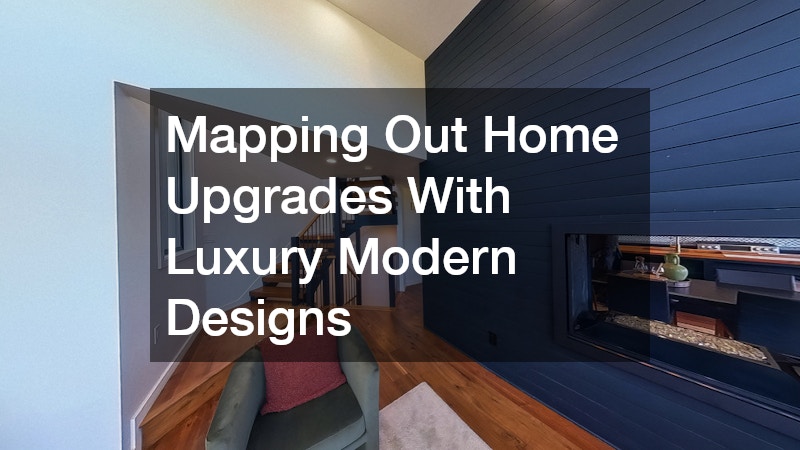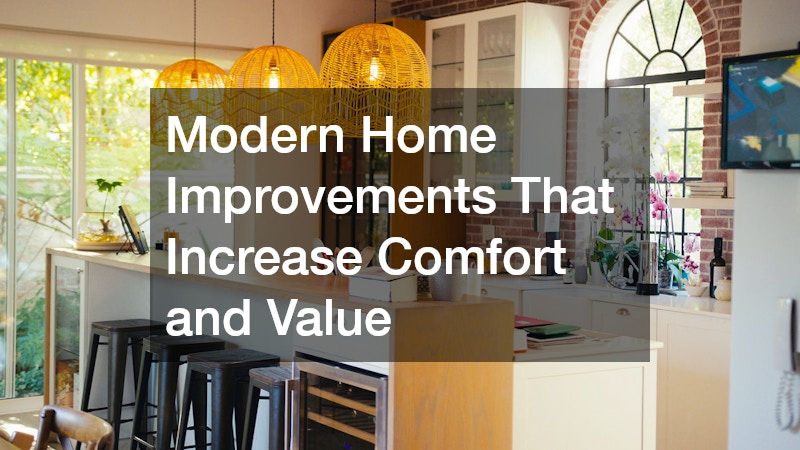
A modern home is not only about how it looks. It is also about how well it supports everyday life. The best improvements make a house easier to use, simpler to maintain, more comfortable to live in, and more appealing over time. That might mean improving a busy family entryway, refreshing an outdated room, strengthening the exterior, or turning unused space into something more practical.
For many homeowners, the challenge is knowing where to begin. A house can have dozens of possible projects competing for attention, but not every upgrade offers the same value. Some improvements immediately change how a home feels. Others protect the structure, reduce maintenance, or make the property more attractive to future buyers.
The strongest results usually come from planning, not rushing. When homeowners think carefully about comfort, function, durability, and long-term return, each project becomes part of a larger strategy. Instead of chasing trends, the goal is to create a home that works better now and continues to hold value for years.
Build a Remodeling Plan Around Everyday Living
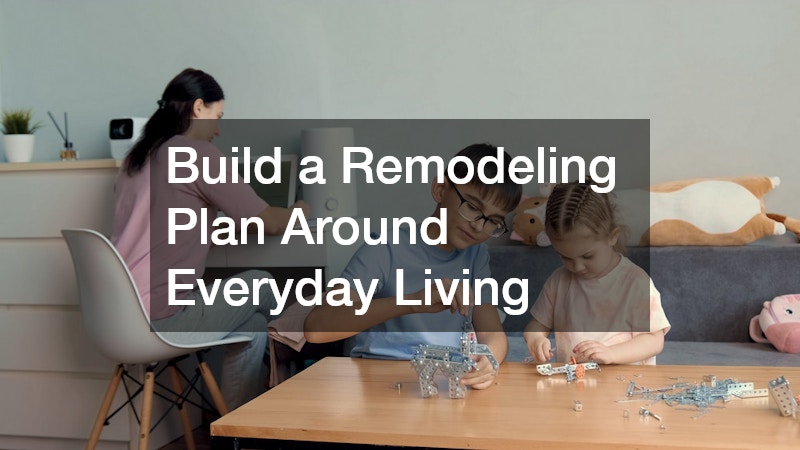
The most successful remodeling plans start with real-life frustrations. Maybe the kitchen feels crowded every morning. Maybe there is not enough storage near the entry. Maybe a room looks fine in photos but feels awkward to use every day. These small problems often reveal where upgrades will make the biggest difference.
Before starting a kitchen renovation, homeowners should look closely at how the space is used. A beautiful kitchen that does not improve workflow can quickly become disappointing. Think about where people gather, where meals are prepared, how often the pantry is used, and whether the current layout creates bottlenecks.
A practical plan may include:
- More counter space near prep areas
- Better lighting over work zones
- Durable flooring that handles spills and traffic
- Storage designed around daily habits
- Seating that fits the way the household eats and entertains
This is also the time to separate must-haves from nice-to-haves. New cabinets, countertops, appliances, and layout changes can add up quickly. Homeowners who define priorities early are less likely to overspend on finishes while ignoring the details that affect comfort.
A modern space should feel easier to live in, not just newer. That means choosing materials that can handle real use. Families with kids, pets, or frequent guests may benefit from stain-resistant surfaces, soft-close storage, and low-maintenance finishes. The goal is a space that looks updated but still supports everyday routines.
Upgrade Outdoor Living for More Year-Round Enjoyment
Outdoor areas often become the most underused parts of a property, especially when they are hard to maintain or uncomfortable for gathering. A plain backyard can become a flexible extension of the home with the right planning.
Homeowners should first decide what they want the outdoor space to do. A quiet reading area needs a different layout than a backyard built for grilling and entertaining. A family with pets may care more about durable surfaces and shade, while frequent hosts may want seating zones, lighting, and smooth access from the house.
Working with deck builders can help homeowners create a safer and more functional outdoor area. A well-planned deck can improve traffic flow, add usable square footage, and make the backyard feel more connected to the home. Material choice matters, too. Composite decking, pressure-treated wood, and other options vary in cost, upkeep, appearance, and lifespan.
For yards that are difficult to keep green, artificial turf installation can reduce mowing, watering, and muddy patches. It can be especially useful in areas with heavy foot traffic, pets, or limited sunlight. The key is proper preparation. Drainage, base materials, and edge finishing all affect how natural and durable the finished yard feels.
Outdoor upgrades should also account for comfort at different times of day. Shade, lighting, wind exposure, and privacy can determine whether a space gets used often or ignored. Even small choices, such as where to place seating or how to direct water runoff, can make the difference between a backyard that looks finished and one that truly works.
Improve Curb Appeal With Exterior Features That Last

The exterior of a home has two jobs. It creates the first impression, and it helps protect everything inside. When exterior features start to fade, warp, leak, or feel outdated, the home can look older than it is. More importantly, small exterior problems can become expensive if they are ignored.
A smart curb appeal plan begins with the features people notice first: the entry, fencing, walkways, lighting, siding, trim, and landscaping. These elements do not have to be flashy. Clean lines, balanced colors, and durable materials often make a stronger impression than trendy design choices.
Vinyl fence installation can be a practical option for homeowners who want privacy without constant repainting or staining. A fence can define outdoor space, improve security, and make a yard feel more finished. When choosing fencing, homeowners should consider height, style, gate placement, local rules, and how the fence will look from both inside and outside the property.
The front entry deserves equal attention. Exterior door installation can improve appearance, security, and energy efficiency at the same time. A worn or poorly sealed door can allow drafts, moisture, and noise into the home. A new door can also change the feel of the entire façade, especially when paired with updated hardware, lighting, or trim.
The best exterior upgrades feel consistent with the architecture of the house. A modern farmhouse door may look great on one property and out of place on another. Homeowners should choose features that freshen the home while still respecting its shape, scale, and neighborhood setting.
Make Bathrooms More Comfortable and Easier to Maintain
Bathrooms are small spaces, but they have a major effect on daily comfort. A bathroom that is dark, cramped, hard to clean, or poorly ventilated can make mornings more stressful and evenings less relaxing. Modernizing this space does not always require a full remodel.
Start with the biggest sources of frustration. Is the shower hard to clean? Does the room feel dim? Is there enough storage? Are the floors worn or slippery? These questions help homeowners focus on practical improvements instead of cosmetic changes alone.
Shower door replacements can make a bathroom feel cleaner, brighter, and more open. Older framed doors may collect grime around tracks and edges, while newer styles can simplify cleaning and improve the look of the room. Clear glass can make a small bathroom feel larger, while textured or frosted options may provide more privacy.
Flooring should also be considered throughout the home, especially in areas connected to bathrooms, bedrooms, and hallways. A carpet replacement service can help remove stained, worn, or outdated carpet and replace it with materials that better fit the household’s needs. In bedrooms, soft carpet may still be the right choice. In high-traffic areas, homeowners may prefer more durable options that are easier to clean.
A bathroom upgrade should also address moisture. Better ventilation, sealed surfaces, and water-resistant materials help prevent long-term problems. Even simple improvements, such as replacing old caulk, upgrading lighting, or adding smarter storage, can make the room feel more comfortable and easier to maintain.
Protect the Home While Increasing Long-Term Value
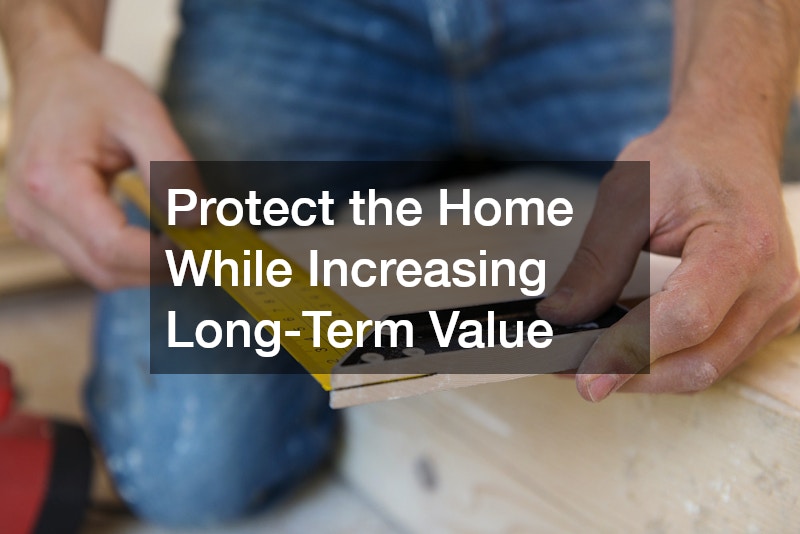
Some of the most valuable improvements are not the most exciting ones. A home can have beautiful finishes inside, but if water is entering through the roof or draining poorly around the foundation, cosmetic upgrades will not matter for long.
Roof replacement is one of the clearest examples of a protective improvement that can also support resale value. Missing shingles, recurring leaks, sagging areas, and granule loss are signs that repairs may no longer be enough. A new roof can improve the home’s appearance, reduce the risk of interior damage, and reassure future buyers that a major system has been addressed.
Gutters deserve the same level of attention. A gutter replacement service can help prevent water from spilling over edges, pooling near the foundation, damaging fascia, or washing out landscaping. When gutters are undersized, rusted, cracked, or pulling away from the house, they can create problems that spread beyond the roofline.
Homeowners can protect their investment by watching for warning signs:
- Water stains on ceilings or walls
- Overflowing gutters during moderate rain
- Shingles that curl, crack, or disappear
- Soil erosion near the foundation
- Moldy smells in attics or upper rooms
These issues should not be treated as isolated annoyances. They often point to larger weaknesses in the home’s protective shell. Addressing them early can prevent damage that is far more disruptive and expensive later.
Upgrade Utility Spaces Into Functional Extensions of the Home
Garages, mudrooms, laundry rooms, and storage areas are often treated as secondary spaces. Yet these areas can have a major effect on how organized and comfortable a home feels. When utility spaces are cluttered, dark, or difficult to clean, the whole household can feel less efficient.
The garage is a good place to start. It may serve as a parking area, workshop, storage room, home gym, or hobby space. If the floor is stained, dusty, or cracked, the space can feel unfinished no matter how organized the shelves are.
A garage floor epoxy coating service can create a cleaner, more durable surface that resists stains and is easier to maintain. This type of upgrade can make the garage feel more like a usable extension of the home rather than an afterthought. It can also help brighten the space by reflecting more light, especially when paired with improved lighting and wall storage.
To make a utility space work better, homeowners should think in zones. Tools, sports gear, seasonal décor, cleaning supplies, and household overflow should each have a place. Wall-mounted storage, labeled bins, cabinets, and overhead racks can reduce floor clutter and make the area safer to move through.
The goal is not perfection. It is usability. A well-designed utility space makes daily tasks smoother, whether that means finding a screwdriver quickly, unloading groceries during rain, or keeping muddy shoes away from the main living area.
Prioritize Projects That Offer the Best Long-Term Return

Every homeowner has a different budget, timeline, and reason for upgrading. Some want to prepare a home for sale. Others plan to stay for decades and want the house to better match their lifestyle. The right priorities depend on both comfort and return.
A helpful way to plan is to divide projects into three groups. First are urgent repairs, such as leaks, safety concerns, or failing exterior systems. These should usually come before cosmetic work. Second are daily-use upgrades, such as kitchens, bathrooms, flooring, and storage. These projects improve quality of life right away. Third are value-building improvements, such as curb appeal, outdoor living, and energy-related updates.
Homeowners should also think about how projects connect. Replacing an entry door may pair naturally with new exterior lighting. Updating a deck may lead to better landscaping. Refreshing flooring may make sense before painting baseboards or replacing interior doors. Coordinating projects can reduce repeated labor and create a more cohesive result.
Phasing work can make larger improvements more manageable. Instead of trying to modernize the entire house at once, homeowners might focus on one zone per year. This approach allows time for better decisions and avoids rushed choices that may not hold up.
The most valuable upgrades are usually the ones that solve real problems. A trend may look appealing for a season, but better function, durability, comfort, and protection continue to matter. When homeowners focus on how the house should feel and perform, the finished results tend to age better.
Invest in Improvements That Enhance Everyday Living
Modernizing a home does not have to mean changing everything. Often, the best results come from thoughtful choices made over time. A better layout, stronger exterior, cleaner utility space, more inviting yard, or easier-to-maintain bathroom can change how a home feels day after day.
The key is to look beyond surface updates. Paint colors and finishes matter, but comfort and value come from improvements that support real life. A home should be easier to move through, easier to care for, and better prepared for weather, use, and time.
By planning carefully and focusing on upgrades with long-term purpose, homeowners can create a property that feels more current without losing its character. The result is not just a newer-looking house. It is a more comfortable, functional, and valuable place to live.