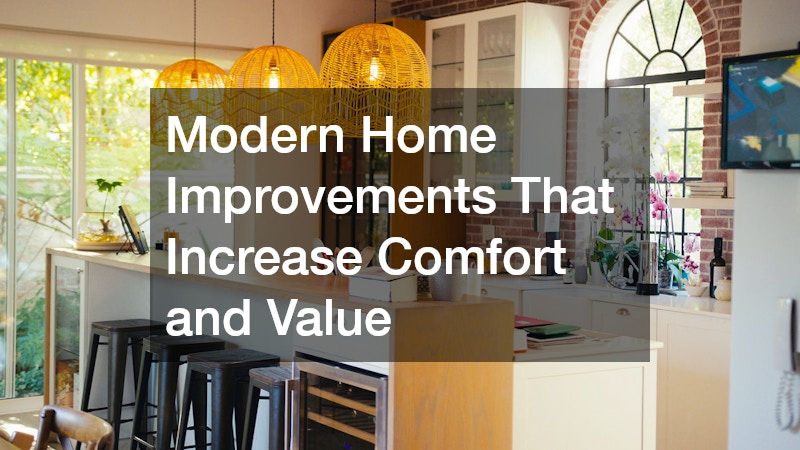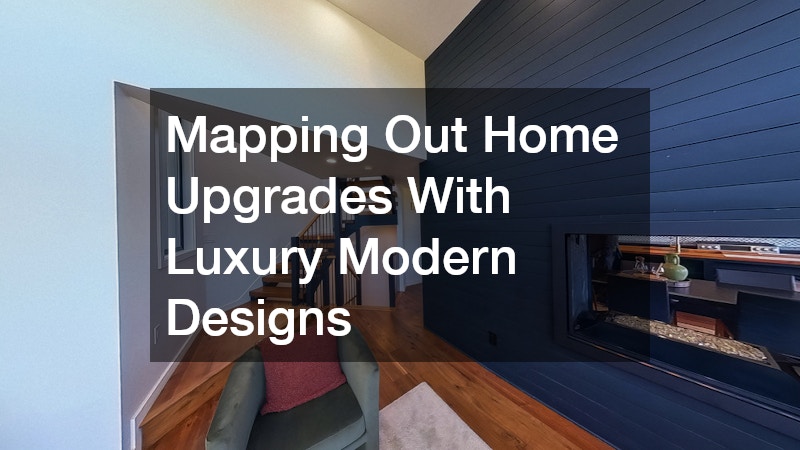
The concept of luxury home design has evolved significantly over the years. In the past, luxury was synonymous with extravagant and ostentatious décor elements such as lavish drapery cascading to the floor, elaborate crown molding intricately carved to adorn the ceilings, and rooms filled to the brim with ornate gilded ornaments. These elements served as the hallmark of opulence and wealth, often residing in the perceptual domain of luxury living. However, this traditional view has undergone a transformative shift. In contemporary times, luxury is no longer dictated solely by the visual showcase of wealth but has transitioned to embody a more subtle, yet profoundly enriching ethos defined by intentionality, space, and light. It’s an aesthetic that whispers rather than shouts, relying heavily on a harmonious blend of functionality and form. Modern luxury emphasizes seamless integration of architectural finesse with technological advancements aimed at enhancing human comfort, thus redefining what it means to live luxuriously. The new era favors clean lines and open spaces that breathe, paired with organic textures that speak to nature’s tranquility. Achieving this delicate balance of minimalist design with warm, contemporary aesthetics requires a strategic approach to remodeling, ensuring every aspect of the home serves a purpose and enriches the living experience.
Embarking on a luxurious home transformation journey is not as simple as selecting visually appealing furniture and assuming the task is complete. True luxury transcends surface-level appeal; it must be intricately woven into the very fabric of the home’s architecture, making it a permanent and meaningful presence. Without a comprehensive and well-thought-out plan, homeowners can easily find themselves ensnared by common pitfalls: mismatched styles that clash rather than harmonize, under-engineered smart home systems that fail to deliver on their futuristic promises, or exquisite finishes that shine in the spotlight of showrooms but falter when faced with the realities of everyday life. To avoid these traps, it is crucial to develop a meticulously crafted roadmap for your home renovation project. This ensures every dollar invested not only elevates your daily living experience but also contributes to the enduring market value of your property. By embracing a clear and deliberate master plan, you will metamorphose your living environment into a refined sanctuary. It’s a space where intentional design choices coalesce to create a sense of bespoke comfort and cohesion, leaving every detail feeling just right, as though it had been conceived uniquely for you.
Setting the Foundation: Structural Elegance and Flow
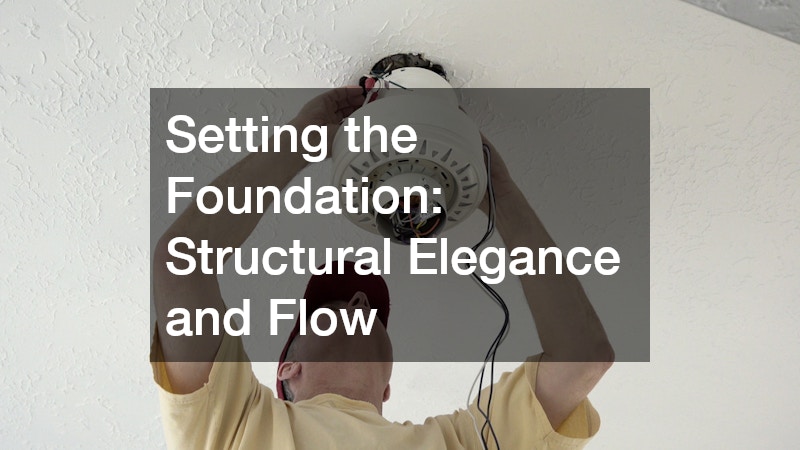
When planning a high-end modern renovation, the earliest phases of construction dictate the ultimate success of the design. Modern minimalism leaves no room for mistakes; because there are no heavy baseboards, chunky window casings, or busy wallpapers to hide imperfections, the fundamental structural surfaces must be completely flawless.
Focus on Invisible Quality and Clean Wall Profiles
- Achieve crisp, museum-grade surfaces: To capture a high-end gallery aesthetic, request level-five finishes on all internal walls. This standard requires a skim coat of joint compound over the entire surface to eliminate any texture shadows when sunlight streams across the room. Relying on an experienced drywall contracting service during this initial structural phase ensures that your walls are perfectly straight, smooth, and ready to accept low-sheen, premium mineral paints.
- Integrate recessed architectural details: Instead of traditional applied moldings, modern luxury utilizes shadow gaps or flush-mounted baseboards. This involves installing a small aluminum reveal bead at the base of the wall, allowing the drywall to sit slightly back from the floor line, creating the illusion that the walls are floating.
- Optimize your layout for sightlines: Walk through your home during the planning phase and identify what you see from every major doorway. A luxury floor plan ensures that views are directed toward architectural features, high-end art, or outdoor landscaping, rather than a utility closet or an uninspired hallway.
As you manipulate walls to improve the flow of your home, you must simultaneously look at what lies beneath the surface. Open-concept living rooms and expansive glass walls often require structural engineering changes that displace your home’s central infrastructure. While you are altering partitions, you will inevitably need to relocate and upgrade your utility distributions. Hiring premium electrical contractors at this exact point allows you to map out your power grid properly, ensuring your panels have the capacity to handle heavy luxury additions like automated blinds, multi-zone climate systems, and high-power car chargers without unsightly wires cutting across your clean architectural profiles.
Illuminating and Securing the Modern Smart Home
Light is one of the most powerful tools in interior architecture, yet it is frequently treated as an afterthought. In a luxury modern home, light is used to sculpt spaces, highlight textures, and influence human circadian rhythms. When paired with intuitive smart home controls, lighting shifts from a simple utility to a highly personalized experience.
Layer Architectural Light and Layer Invisible Protection
- Design with concealed light sources: Avoid a ceiling filled indiscriminately with generic recessed cans, which creates harsh glare. Instead, utilize plaster-in, trimless LED fixtures that sit entirely flush with the ceiling. Incorporate linear LED coves along the edges of dropped ceilings or behind floating walls to wash vertical surfaces in soft, indirect light.
- Prioritize high color rendering index metrics: Insist on light fixtures with a Color Rendering Index of 95 or higher. This specification ensures that the true tones of your wood flooring, stone counters, and artwork are accurately represented, preventing your home from feeling washed out or overly sterile.
- Adopt central smart home integration: Replace banks of messy light switches with single, elegant wall keypads. These keypads can be custom-engraved to trigger specific scenes that adjust multiple fixtures simultaneously based on the time of day or the activity.
To execute this level of technical detail, partnering with specialized lighting services is essential during the design phase to plot out circuit loads, dimming protocols, and proper lamp placement. As you embed this high level of technology into your ceiling and walls, protecting your tech-driven home becomes a natural priority. Incorporating smart security systems into your master plan ensures that your property is thoroughly guarded without disrupting the minimalist aesthetic. Look for low-profile, paintable recessed door sensors, glass-break detectors integrated seamlessly into climate control keypads, and exterior cameras finished in tones that blend perfectly into your home’s soffits, giving you complete peace of mind through a system that remains virtually invisible.
The High-End Kitchen: Statement Materials and Hidden Tech
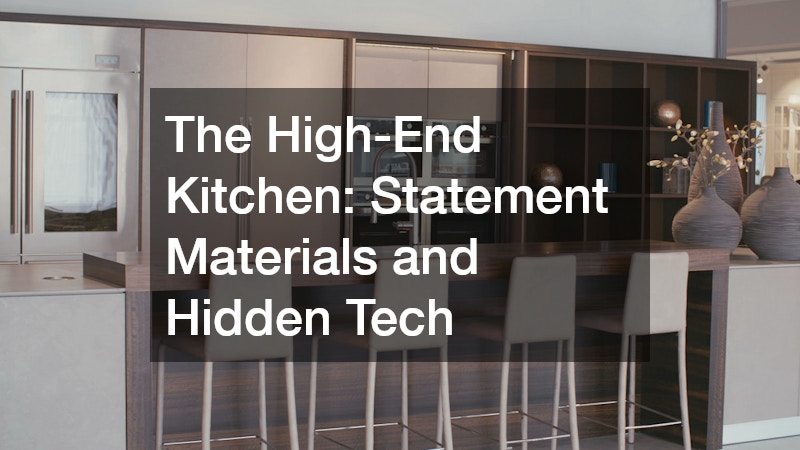
The modern luxury kitchen is no longer just a place for food preparation; it is the emotional and social epicenter of the household. The design goal here is to balance high-end commercial capability with a clean, uncluttered visual aesthetic that flows naturally into adjacent dining and living areas.
Select Seamless Stone Surfaces and Integrated Appliances
- Invest in oversized stone slabs: To minimize grout lines and maximize visual impact, select book-matched slabs of natural quartzite, porcelain, or heavily veined marble. Running this material continuously from the workspace up into a full-height backsplash creates an incredibly clean, artistic backdrop.
- Implement a waterfall edge design: Bring your island surface to life by extending the stone vertically down the sides all the way to the floor. This architectural detail turns a simple workspace into a heavy, sculptural block that anchoring the room.
- Conceal functional zones with pocket doors: Design an auxiliary back kitchen or a butler’s pantry to house small appliances like coffee makers, blenders, and toasters. By utilizing pocket doors that slide back into the cabinetry, you can easily access these items while cooking, then close them away to keep the main kitchen looking immaculate when entertaining.
The execution of these stone features dictates the luxury feel of the entire space. Entrusting your materials to an expert countertop installation team ensures that miters are razor-sharp, vein patterns flow logically across seams, and structural support is invisibly engineered beneath heavy overhangs. Once your cooking zone is dialed in, turn your attention to how the kitchen opens up into the primary living spaces. To maintain an uninterrupted aesthetic throughout the open-plan area, design bespoke entertainment centers that mirror the exact cabinetry style, timber species, and grain direction found in your kitchen islands. This consistency ties the two rooms together, hiding large television screens behind motorized art panels and keeping audio-visual equipment safely tucked out of view within minimalist, floating credenzas.
Spa-Inspired Bathrooms and Premium Flooring
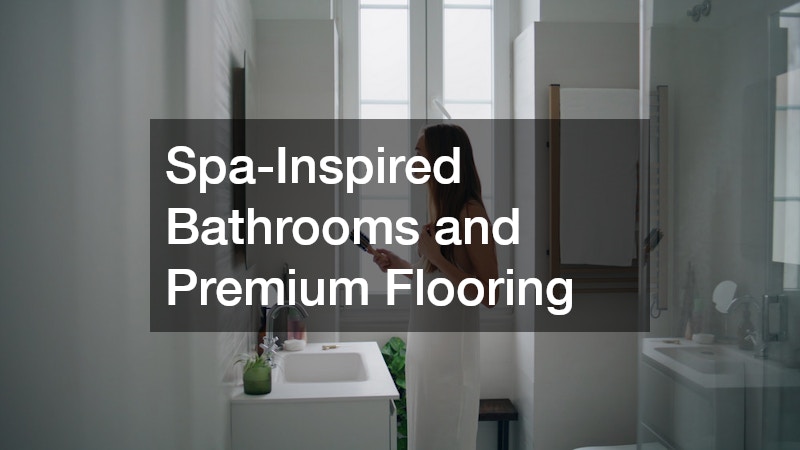
Transforming a master bathroom into a personal wellness retreat requires removing old-fashioned boundaries. Modern luxury bathrooms lean heavily toward open layouts, natural light, and materials that offer a sensory experience. To truly elevate the home, these principles of openness should extend directly into your choices for flooring across the entire level.
Elevate the Daily Routine with Wet Rooms and Resilient Luxury
- Create an expansive wet room enclosure: Eliminate traditional step-in shower trays. Instead, utilize a single, continuous floor level that slopes gently toward an invisible, tile-in linear drain. Grouping a freestanding soaking tub and a multi-head shower behind a single pane of floor-to-ceiling glass creates an airy, unconfined spa experience.
- Incorporate multi-sensory shower features: Integrate rain shower heads flush into the ceiling, accompanied by wall-mounted body sprays and steam generators. Ensure these systems feature thermostatic valves so your preferred temperature is reached instantly and maintained precisely.
- Maintain material continuity across rooms: To make a master suite feel significantly larger, remove thresholds entirely. Using a single flooring material that flows unimpeded from the sleeping quarters right into the vanity area establishes a calm, unified spatial rhythm.
Historically, homeowners had to compromise on material choices in wet environments, sacrificing the beauty of natural timber for the durability of stone or ceramic tile. However, advancing technology allows you to specify high-performance waterproof hardwood flooring for your master suite. This breakthrough material lets you experience the undeniable warmth and texture of real white oak or walnut underfoot in the bathroom without worrying about steam, splashes, or subfloor moisture damage. When framing your newly designed wet room, select a completely frameless walk in shower door made of low-iron glass. Standard glass carries a distinct green tint that can distort the look of your premium interior tiles; low-iron glass remains perfectly crystal-clear, allowing your eyes to travel through the space without visual interruptions.
Curating Modern Curb Appeal and Outdoor Living
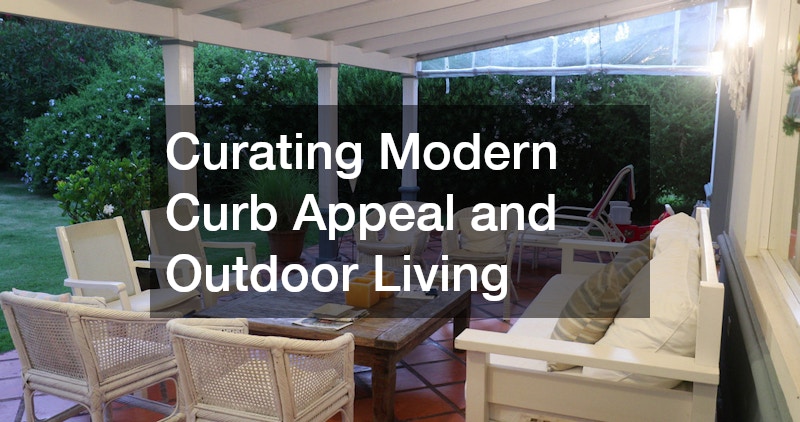
A truly successful luxury home upgrade does not end at the back door. Modern architecture treats the landscape as a direct extension of the interior footprint. By utilizing consistent design elements, you can create a seamless transition that draws people outside and expands your usable square footage.
Seamlessly Blend Indoor Spaces with Architectural Landscape Design
- Install massive architectural glass walls: Replace standard exterior doors with multi-panel sliding or bi-fold glass wall systems. Look for systems that feature a flush sill track embedded directly into the floor, removing any physical or visual tripping hazard when walking outside.
- Align interior and exterior floor heights: Ensure that the finished floor inside sits at the exact same elevation as your outdoor living surface. This simple alignment fools the brain into viewing the two separate zones as one massive, continuous room.
- Incorporate structured linear fire elements: Move away from rustic, round fire pits in favor of long, sleek, concrete fire tables fueled by natural gas. These features provide warmth, serve as focal points, and reinforce the clean geometric lines of your home’s architecture.
You can beautifully expand your living space by building expansive porcelain or natural stone patios that function as open-air lounges, complete with outdoor kitchens and integrated shade structures. To ensure these elevated exterior spaces feel safe and structurally sound without obstructing your view of the surrounding landscape, focus on the borders. Installing custom iron railings around the perimeter of your raised outdoor areas provides a sturdy, weather-resistant barrier. When finished in a slim, low-profile matte black or deep charcoal, these railings act almost like a graphic frame for the natural scenery beyond, delivering structural integrity while reinforcing your home’s modern, sophisticated silhouette.
Remodeling a home with luxury modern designs is an exercise in restraint, precision, and forward-thinking planning. It requires moving past superficial cosmetic choices and focusing heavily on how spaces connect, how light interacts with raw materials, and how technology can be woven invisibly into the structural fabric of daily life. From the foundational perfection of your interior walls to the smooth transition into your outdoor living spaces, every element must be selected to serve both form and function.
By taking the time to map out these high-end upgrades sequentially, you eliminate design conflicts, protect your financial investments, and avoid the disjointed look that often plagues uncoordinated renovations. Working with specialized master craftsmen and keeping a firm eye on material continuity ensures that your finished home feels deeply personal, highly functional, and thoroughly timeless. Ultimately, a well-executed modern renovation does more than just update your surroundings; it simplifies your routines and provides a beautiful, peaceful backdrop for years to come.