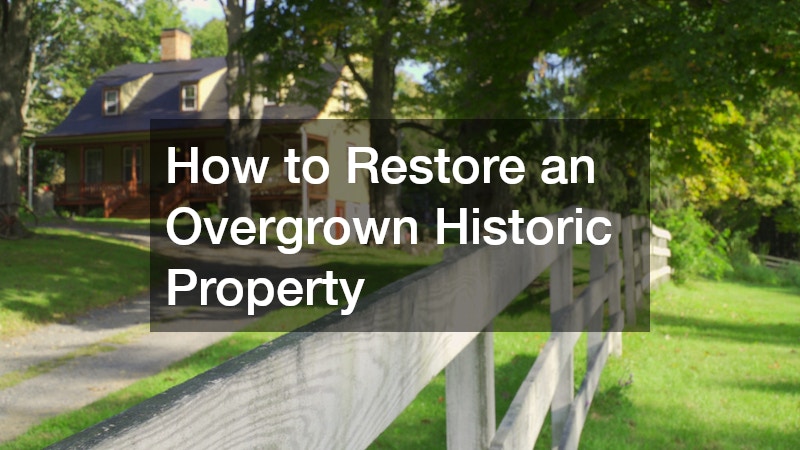
Restoring a historic property that has been swallowed by nature is a journey that is as much about archaeology as it is about renovation. There is a profound sense of satisfaction in uncovering a stone walkway that hasn’t seen the sun in thirty years or revealing the intricate woodwork of a porch hidden behind a wall of invasive vines. However, the task is undeniably daunting. When a property is truly overgrown, the chaos of the landscape can threaten the very structural integrity of the home.
Reviving the Upper Canopy and Structural Sunlight

The first phase of any restoration is visibility because you cannot create a plan for a landscape you cannot see. In many historic estates, the original garden design was layered, featuring a canopy of large shade trees, an understory of flowering shrubs, and a ground layer of perennials. Over decades of neglect, the understory often becomes a chaotic mess of brambles and saplings that choke out the sunlight and hide the true potential of the land.
Before you touch the ground, you must look up at the towering giants that define the property line. Overhanging branches are often the primary cause of roof damage and moss growth on historic masonry. Hiring a professional tree service is the most critical first step to ensure that large, hazardous limbs are removed safely without dropping heavy wood onto the delicate roof of a vintage home. This initial thinning allows the house to breathe and lets light hit the ground, which is essential for drying out damp foundations.
Clearing the Ground and Removing Obstacles
Once the overhead hazards are neutralized, you can turn your attention to the remnants of what was removed or what has rotted over time. Old properties are often littered with the ghosts of trees past, including hidden remains that make the ground uneven or dangerous to walk upon. A thorough stump grinding service allows you to clear these obstacles effectively, creating a smooth surface where you can eventually replant period-accurate gardens or install new walkways without dealing with underground obstructions.
By leveling these specific areas, you prepare the site for the next stage of restoration and design. Removing the physical memory of dead trees prevents the spread of fungal pathogens that can sometimes linger in decaying wood. This process ensures that your new garden beds will have the space they need for deep root growth while maintaining the pristine, manicured look expected of a restored heritage estate.
Safety and Preservation Priorities:
- Identify Specimen Trees: Look for ancient oaks, maples, or elms that may have been part of the original planting plan. These are irreplaceable and should be protected at all costs during the clearing process.
- Flag Hidden Utilities: Historic homes often have shallow or unconventional plumbing and electrical lines. Ensure these are marked before any heavy equipment enters the property.
- Document Everything: Take “before” photos from every angle. These are not only for your memories but can also help a landscape historian reconstruct the original layout.
Protecting the Home’s Structural Integrity

As you clear the vegetation, you will likely discover that the house has suffered from its proximity to the wild. Plants trap moisture, and moisture is the primary catalyst for the decay of wood, stone, and mortar. The transition from a “wild” property to a “restored” one requires a focus on moving water away from the structure as efficiently as possible.
The most immediate concern is usually the drainage system. When trees grow too close to a house, their leaves quickly fill the troughs, leading to overflows that can wash away the soil at the base of the foundation. A professional gutter cleaning service is necessary to ensure that the entire system is free of debris and that downspouts are directing water at least five feet away from the historic stone or brickwork.
Beyond water, you must consider the biological threats that thrive in overgrown environments. Damp, shaded areas are breeding grounds for wood-destroying insects that can migrate from the brush into the sills of your home. Implementing a comprehensive pest control strategy is a non-negotiable part of restoration, as it provides a chemical or physical barrier that protects the original timber frames from termites and carpenter ants.
Signs of Moisture Damage to Watch For:
- Efflorescence: A white, powdery substance on brick or stone that indicates water is moving through the masonry.
- Siding Rot: Soft spots in wood siding, especially near the ground or under windows where vines once climbed.
- Foundation Cracks: Large gaps that may have been caused by the powerful roots of invasive trees seeking moisture.
Soil Restoration and Site Grading
Years of neglect often result in “grade creep,” where falling leaves and decomposing organic matter build up against the side of the house. This raises the soil level above the foundation line, which can lead to rot in the floor joists. Part of your restoration will involve “pulling back” the earth to restore the original grade.
In areas where the ground has settled or eroded, you will need to bring in new material to create a positive slope away from the house. Utilizing high-quality fill dirt is the most effective way to fill in low spots and ensure that rainwater moves toward the perimeter of the property rather than pooling in the basement or crawlspace.
For the more aesthetic aspects of the restoration, you may find that the soil quality has been depleted by invasive species. Consulting with local landscapers can provide you with insight into the native soil chemistry and help you develop a plan for amending the earth. These professionals can suggest organic interventions that improve the health of the land, making it much easier to establish a lush, green lawn or a vibrant Victorian-style flower garden.
Steps for Proper Grading:
- The 5% Rule: Ensure the ground slopes away from the house at a rate of at least six inches of drop over the first ten feet.
- Root Protection: When adding soil around existing historic trees, be careful not to bury the “root flare,” as this can suffocate and kill the tree over several years.
- Compaction: New soil must be lightly compacted to prevent it from simply washing away during the first heavy rainstorm.
Re-Establishing the Historic Perimeter
Historic homes were almost always designed with a clear sense of enclosure that defined the limits of the domestic sphere. Whether the original intent was to keep livestock out or to create a series of private outdoor rooms, the perimeter of the property is a key part of its architectural character. When a property is overgrown, these boundaries often disappear into the brush, leaving the home feeling unanchored and exposed to the surrounding elements.
Once the perimeter is cleared of invasive weeds and tangled vines, you can finally assess the state of any surviving old fences or stone walls. If the original barriers are beyond repair or have vanished entirely, reaching out to a local fence company is the best way to explore period-appropriate replacements. A professional can help you select styles like traditional picket, post-and-rail, or wrought iron that harmonize with the specific architectural era of your home.
Enhancing Seclusion and Modern Buffer Zones
In modern times, you might find that your once-quiet estate is now flanked by busy roads or newer developments that clash with the historic vibe of the residence. Restoring the boundary is not just about historical accuracy but also about reclaiming the tranquility that the original residents would have enjoyed. A strategic privacy fencing installation can solve this problem by creating a visual and acoustic buffer between your sanctuary and the outside world. This intervention is particularly vital for historic homes that have been encroached upon by urban sprawl, as it allows the architecture to exist within its own curated context rather than being overshadowed by modern distractions.
By choosing a high-quality wood or premium composite that mimics traditional textures, you can block out the modern world without making the property feel like a fortress. High-quality materials will weather naturally, eventually blending into the landscape so that the new boundary feels like a permanent, long-standing feature of the grounds. When these barriers are integrated with thoughtful plantings like climbing hydrangeas or evergreen hedges, the fence line softens and begins to feel like a living part of the estate’s history.
Beyond the physical barrier, a well-planned perimeter serves as the final layer of protection for your restoration efforts. It prevents unwanted foot traffic and wandering wildlife from disturbing newly established gardens or sensitive archaeological sites you may have uncovered during the clearing phase. By clearly defining where the public world ends and your historic sanctuary begins, you create a controlled environment where the delicate balance of your restoration can thrive.
Choosing Period-Correct Fencing:
- Colonial Era: Simple white pickets or rugged stone walls.
- Victorian Era: Ornate wrought iron or highly decorative “gingerbread” woodwork.
- Craftsman Era: Sturdy, horizontal wood slats or earth-toned masonry.
Creating Modern Outdoor Living Spaces

The final stage of a restoration is making the property functional for your family. Historic homes often lacked the indoor-outdoor flow that we value today, but with careful planning, you can add these features without compromising the home’s integrity. The goal is to make any new addition look like it was an intentional part of the landscape’s evolution.
A popular choice for historic restoration is the addition of a terrace that feels rooted in the earth. A flag stone patio installation is an excellent option because the natural variation in the stone echoes the textures of historic masonry. When laid in a traditional pattern, these stones provide a durable surface for dining and relaxation that feels much more authentic than modern poured concrete.
If the topography of your land is uneven, or if you want to create a transition from a back door to the garden, you might consider wood structures. Expert deck services can design a platform that uses traditional joinery and classic railing styles to match the house’s existing trim. By using premium hardwoods or high-quality stains, you can ensure the new structure complements the weathered patina of the historic siding.
Balancing New and Old:
- Scale: Ensure that any new patio or deck is proportional to the size of the house. A deck that is too large can overwhelm a historic facade.
- Materials: Avoid overly shiny or plastic-looking materials. Stick to stone, wood, and metal that will age gracefully alongside the home.
- Lighting: Use low-voltage, warm lighting to highlight the architectural features of the house at night without creating modern glare.
Achieving this balance requires a deep understanding of the property’s original rhythm and the materials used during its construction. For example, if your home features heavy limestone foundations, repeating that stone in a retaining wall or a garden bench creates a visual bridge between the old structure and the new additions. It is also wise to observe how the shadows fall across the property at different times of the day. A well-placed pergola or a subtle extension of the porch can provide shade while maintaining the classic silhouette of the house. By being intentional with these details, you ensure that the modernization feels like a respectful conversation with the past rather than a loud interruption.
The work of restoring a historic property is never truly finished; it is a cycle of stewardship. Once you have cleared the overgrowth and established your new gardens and living spaces, the focus shifts to preservation. A property that was once neglected can quickly revert to a wild state if a maintenance schedule is not strictly followed.
Taking the time to restore an estate correctly is a gift to the community and a legacy for your family. Though the process requires a significant investment of time and resources, the result is a home that stands as a testament to the enduring beauty of traditional design. As the sun sets over your newly cleared lawn and glints off the restored windows of your home, the struggle against the overgrowth will seem like a small price to pay for such a magnificent transformation.